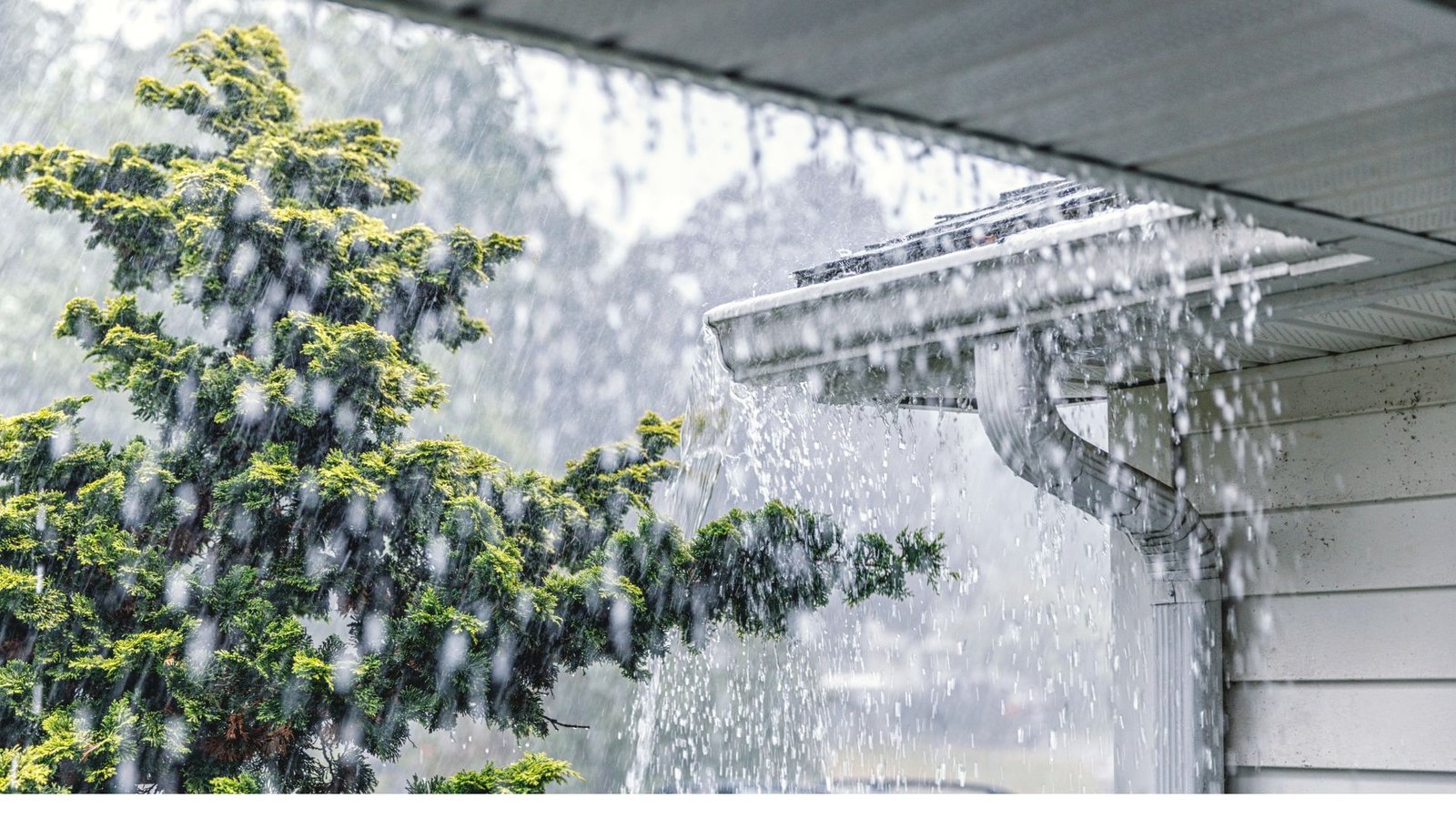
Storm season in Snellville, Georgia, usually begins in early spring and continues well into late summer. Homeowners in Gwinnett County know that severe thunderstorms, hail, and heavy wind gusts can strike without warning. When dark clouds start forming, your roof becomes your home’s first line of defence—so it must be ready to handle potential wind damage. Read more about Storm protection for your home in Snellville.
Wind damage can range from minor shingle issues to major structural problems. According to the National Severe Storm Laboratory, strong thunderstorms can produce winds over 100 mph—far beyond the 50–60 mph range considered damaging. These storms account for nearly half of all severe weather destruction across the U.S., and Snellville is no exception.
If your roof has been affected by a storm, Legends Restoration Group in Snellville, GA, is ready to help. We provide free roof inspections and fast, reliable storm-damage repair services. Contact us today to schedule an inspection.
How to Identify Wind Damage
When high winds hit Snellville, they don’t impact your roof evenly. The edges, corners, and ridges are the most vulnerable.
Wind damage can appear in several different ways. Some signs are obvious, while others can be easily missed. Here’s what to look for:
Common Signs of Wind Damage
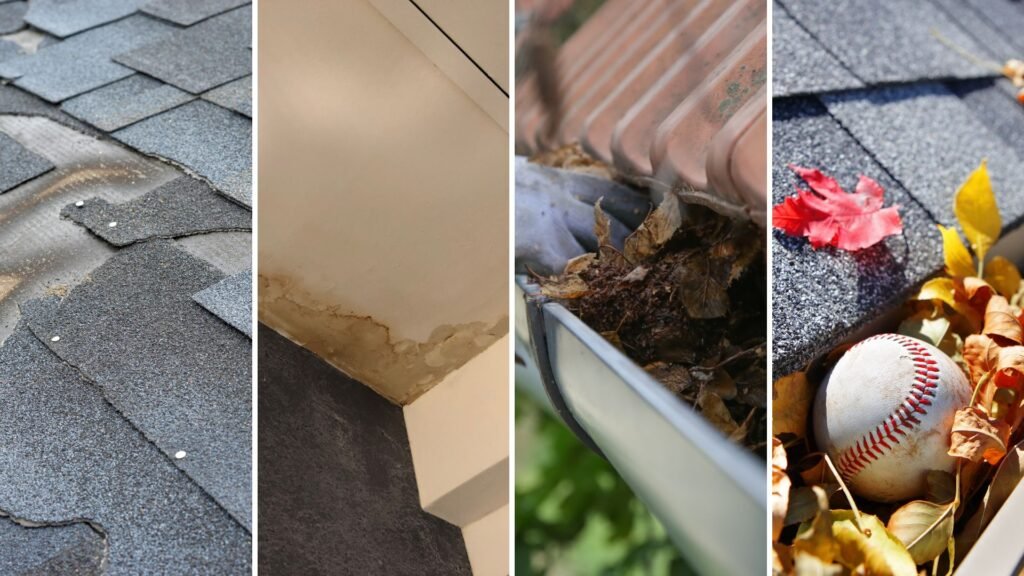
- Missing shingles: Often caused by strong gusts or falling branches, exposing your roof to leaks.
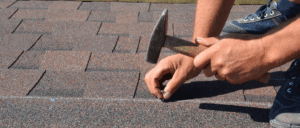
- Curling shingles: Usually found near stress points such as corners or chimneys—an early sign of moisture intrusion.
- Leaks inside the home: Water stains or drips indicate immediate roofing concerns.
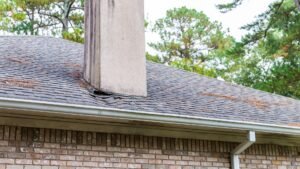
- Damaged chimney flashing: Flashing can bend, crack, or detach during intense storms.
- Gutter issues: Heavy winds can clog or loosen gutters, especially when shingle granules wash off.
- Clogged drains and downspouts: Debris from Snellville storms—pine needles, leaves, branches—can cause severe blockages.
- Debris on the roof: Branches, limbs, and storm debris can create damage or accelerate wear if left unchecked.
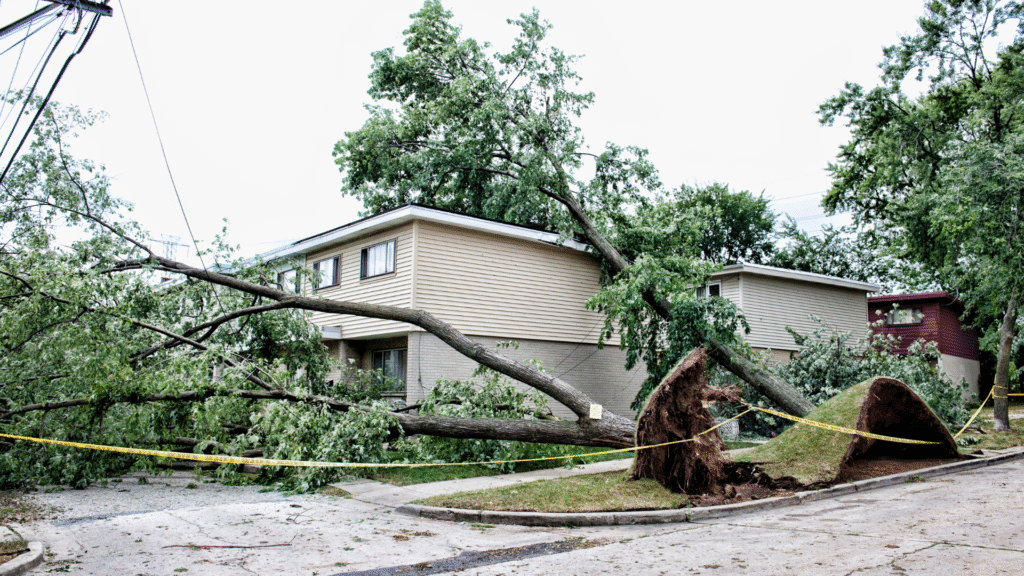
- Nearby tree damage: A broken or split tree often means the roof may have taken a hit as well.
- Wind lift: A hidden form of damage where shingles are loosened or lifted upward without visual gaps.
If you suspect wind damage, schedule a free roof inspection with Legends Restoration Group today.
What Is Wind Lift?
Not all roof damage is immediately visible. One of the most common hidden issues Snellville homeowners face is wind lift (or wind uplift).
Wind lift occurs when strong gusts blow across the roof, lifting shingles or other roofing materials. Different sections of your roof experience various levels of wind pressure:
- The perimeter receives the most potent suction.
- Some areas experience negative pressure (like a vacuum)
- Others feel strong push-and-pull forces.
If any part of your roof is slightly loose, wind can slip underneath and lift it. From the ground, the roof may still look normal, even though fast-moving winds may have already loosened nails or weakened the structure.
How Wind Lift Causes Roof Damage
Wind lift can damage your roof in four main ways:
- Laminar Flow: Fast-moving air clings to the roof, then separates and creates a vacuum that lifts materials.
- Increased Air Speed: Wind over the roof can be twice as fast, increasing uplift pressure.
- Positive Pressure: Even a slight lift allows wind to push harder against shingles, worsening damage.
- Inflation: Wind can enter between the shingles and underlayment, inflating and damaging the roof from beneath.
Understanding these forces shows why post-storm roof inspections are essential.
What Is Wind Lift?
Not all roof damage is immediately visible. One of the most common hidden issues Snellville homeowners face is wind lift (or wind uplift).
Wind lift occurs when strong gusts blow across the roof, lifting shingles or other roofing materials. Different sections of your roof experience various levels of wind pressure:
- The perimeter receives the most potent suction.
- Some areas experience negative pressure (like a vacuum)
- Others feel strong push-and-pull forces.
If any part of your roof is slightly loose, wind can slip underneath and lift it. From the ground, the roof may still look normal, even though fast-moving winds may have already loosened nails or weakened the structure.
How Wind Lift Causes Roof Damage
Wind lift can damage your roof in four main ways:
- Laminar Flow: Fast-moving air clings to the roof, then separates and creates a vacuum that lifts materials.
- Increased Air Speed: Wind over the roof can be twice as fast, increasing uplift pressure.
- Positive Pressure: Even a slight lift allows wind to push harder against shingles, worsening damage.
- Inflation: Wind can enter between the shingles and underlayment, inflating and damaging the roof from beneath.
Understanding these forces shows why post-storm roof inspections are essential.
What to Do If Your Roof Has Wind Damage
After a storm passes through Snellville, follow these steps as soon as it’s safe:
1. Inspect the Exterior
Look for:
- Missing or damaged shingles
- Cracked or curling shingles
- Granule buildup in gutters
- Loose flashing
- Broken vents
- Debris piles
- Damaged roof penetrations
2. Inspect the Interior
Inside your home, check for:
- Water stains on ceilings
- Damp attic insulation
- Peeling or bubbling paint
- Sudden increases in energy bills
3. Call a Professional
Avoid climbing onto the roof yourself. A trained roofing specialist from Legends Restoration Group can safely inspect the damage and give you a clear, honest assessment.
Roof Removal & Repairs After Wind Damage
Depending on the severity of wind lift, damage may require:
Partial Roof Removal
A smaller area of lifted or damaged roofing requires professional repair or replacement. These issues should never be ignored.
Full Roof Removal
Severe storms or fallen trees may require a complete roof replacement. Although rare, Georgia storms can cause extreme damage during peak season.
Legends Restoration Group provides expert roof repairs and complete roof replacements throughout Snellville and the surrounding areas.
We also help homeowners navigate insurance claims, including documentation and storm-damage reports.
As Owens Corning states:
“If the wind speeds that caused the damage exceed the manufacturer’s coverage, file an insurance claim. If not, contact the shingle manufacturer.”
Why Snellville Homeowners Trust Legends Restoration Group
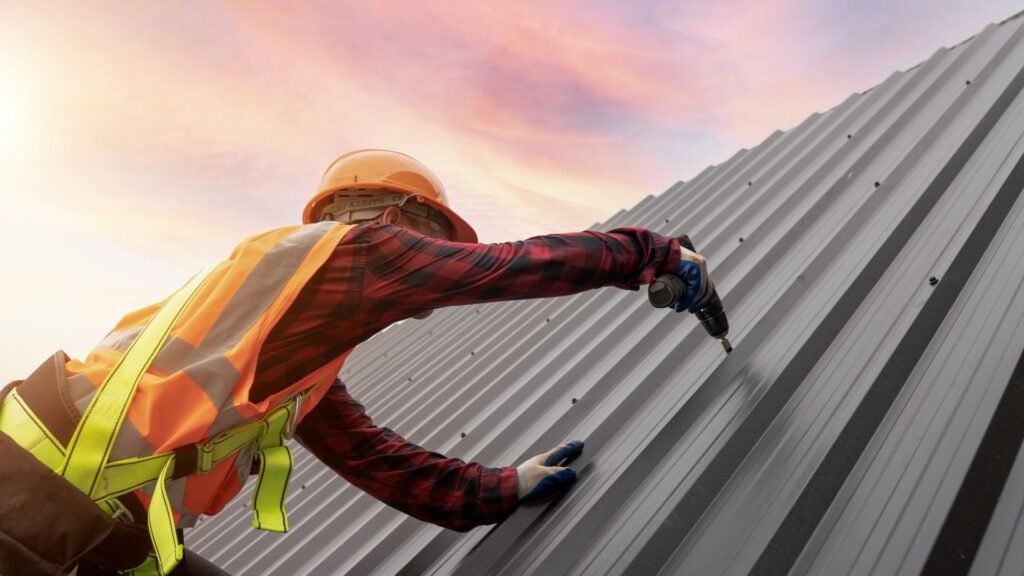
Strong Georgia winds and heavy thunderstorms can cause damage that isn’t always obvious. Instead of guessing—or risking more damage—trust your local storm restoration experts.
Legends Restoration Group proudly serves
- Snellville
- Grayson
- Loganville
- Lawrenceville
- Lilburn
- And the surrounding Gwinnett County areas
Whether you need repairs, a replacement, or a free storm-damage inspection, we’re here to protect your home with honest service and dependable craftsmanship.
Contact Legends Restoration Group today to schedule your free roof inspection and safeguard your home from future storms.