No matter if your home is brand new or over a hundred years old, the roof is one of its most important parts. It keeps you comfortable year-round, protects your belongings from weather, and helps maintain your home’s structure.
If the roof fails, water and moisture can damage walls, siding, insulation, and even the foundation. That’s why proper installation, regular maintenance, and timely replacement matter. By the end of this guide, you’ll know when to repair, when to replace, and who to trust to keep your Snellville home protected.
Key Components of a Residential Roof

A roof is much more than just shingles on wood. Here are the key parts of the S.H.I.E.L.D. model to keep in mind when thinking about your home’s protection:
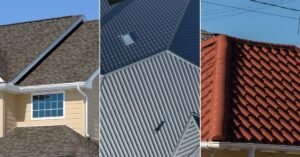
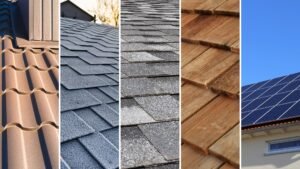
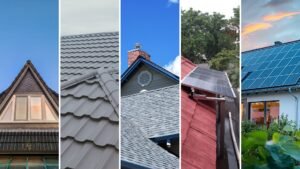
S – Shingles/Panels: These come in asphalt, metal, tile, concrete, wood, and composite. Your choice depends on your budget, local climate, and the style of your home.
H – Underlayment: A weather-resistant layer beneath the shingles that provides added protection from water infiltration.
I – Accessory Items: Hips, ridges, flashing, drip edges, fascia, and soffits complete the system and protect transitions and penetrations.
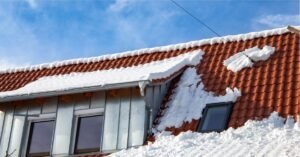
E – Exhaust: Good attic ventilation keeps the attic temperature balanced with the outside air. This helps prevent heat buildup that can damage shingles and lowers the risk of ice dams in winter.
L – Layered Insulation: The insulation components that ensure energy efficiency by keeping heat in during winter and cooling in during summer.
D – Durability Factors: These are the things that help your roof last as long as it should, such as the quality of materials and how well it’s maintained.
Residential Roof Designs & Styles
The shape of your roof affects how your home looks, how it performs, and sometimes how much it costs. Here are some common styles:
1. Gable Roofs: These have a classic triangular shape, are common in many neighborhoods, and are both cost-effective and simple.
2. Hip Roofs: These have four sloping sides, making them very wind-resistant and a good choice for areas with severe weather.
3. Jerkinhead Roofs: This style is a mix of gable and hip roofs, offering better wind resistance and more attic space.
4. Mansard Roofs: Inspired by French design, these have double slopes on each side to maximize space on the upper level.
5. Gambrel Roofs: Often seen on barns, this style gives you lots of attic space and a unique look.
6. Saltbox Roofs: These have an uneven design with a long slope at the back, giving them a traditional, historic feel.
7. Butterfly Roofs: With a V-shape and modern look, these roofs help with rainwater collection and are good for solar panels.
8. Bonnet Roofs: This is a reverse mansard style with long eaves, often found in Southern homes.
9. Sawtooth Roofs: These have repeating slopes and are usually used in industrial or modern designs to let in more daylight.
10. Pyramid Roofs: With four triangular sides that meet at a point, these roofs are compact and stable in windy conditions.
11. Dome Roofs: These rounded roofs stand out and are often used on unique or custom homes.
12. Skillion Roofs: This modern style has a single slope and is also called a lean-to or shed roof.
13. Curved Roofs: These have a modern, arched shape that gives your home a contemporary look.
The best roof style for your home depends on its architecture, Snellville’s climate, and your personal taste.
Common Roofing Materials for Homes

Each roofing material has its own lifespan, look, and maintenance needs. Here are the most common options for homes:
Asphalt Shingles
- Why it’s popular: It’s affordable, easy to install, and comes in many colors and styles.
- Best for: Most homes in America, including ranch, suburban, and modern styles.
Slate
- Why choose it: It has a natural stone appearance, lasts over 100 years, and resists moisture and fire.
- Best for: Historic, Tudor, and upscale homes that can handle the extra weight.
Metal
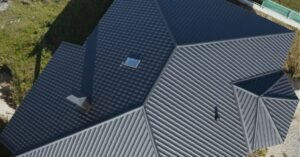
- Why choose it: Metal roofs last a long time, save energy, and need little upkeep. They can also look like shingles, tile, or slate.
- Best for: Modern homes, farmhouses, and areas that get a lot of storms.
Clay & Concrete Tile
- Why choose it: These tiles last a long time, resist fire, and help keep homes cool in hot climates.
- Best for: Mediterranean, Spanish, and luxury homes. Make sure your roof can support the extra weight.
Wood Shingles & Shakes
- Why choose it: Wood shingles and shakes give a natural, warm, and traditional look. With good care, they can last longer than asphalt.
- Best for: Cottage, historic, and rustic homes. Avoid using them in areas at risk for wildfires.
Synthetic & Membrane Roofing Options
Synthetic roofing is often used for low-slope roofs or when you need a budget-friendly option:
- Rolled Roofing: Economical for sheds, garages, and low-slope structures; roughly a 10-year life expectancy.
- Built-Up Roofing (BUR): Layered bitumen systems used for low-slope roofs; time-tested and durable.
Single-Ply Membrane (EPDM, TPO, PVC): Rubber and plastic membranes suitable for flat or low-slope residential/ commercial roofs; EPDM is a popular, cost-effective choice.
Signs Your Roof Needs Urgent Repair

Catch these early to avoid bigger problems:
1. Sagging roofline: This is a serious structural warning and needs immediate attention.
2. Missing or loose shingles: These are often caused by wind, storms, or age.
3. Unexplained spikes in energy bills could indicate heat loss from poor roof sealing or insulation.
4. Granules in gutters: This is a sign that your shingles are wearing out and getting old.
5. Curled or cracked shingles: These usually mean your shingles are old or have been damaged by weather.
6. Interior water damage – stains, dripping, or mold in ceilings/attic.
7. Daylight visible in the attic – an obvious sign of gaps or missing roofing layers.
8. Roof discoloration: This can be caused by algae or old shingles, and may mean it’s time for cleaning or replacement.
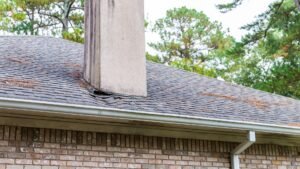
9. Damage around roof fixtures: Leaks can happen around flashing, vents, or chimneys.
10. Post-storm damage: Always check your roof after a big storm for punctures or materials that have come loose.
If you notice any of these, schedule an inspection quickly to limit interior damage.
Roof Replacement Alert: How to Know When It’s Needed
When roof repairs become frequent or ineffective, replacement may be the smarter long-term investment:
- Your roof is old, nearing the end of its expected lifespan for its material.
- Persistent mold or mildew: If it won’t go away with cleaning and keeps coming back, it’s a sign of a bigger problem.
- Rotting decking or sheathing: When the wood under your roof starts to rot, it usually means you need a new roof.
- Outdated style or severe wear: If you care about curb appeal or resale value, a new roof is important.
Benefits of Installing a New Residential Roof
Upgrading a roof delivers clear, measurable benefits:
1. Better energy efficiency: Newer materials and better insulation help lower your heating and cooling costs.
2. Improved curb appeal: A new roof can make your home look better and increase its resale value.
3. Increased resale value: Buyers appreciate a newer roof and may be willing to pay more for your home.
4. Stronger warranties: Many modern roofing products come with longer warranty coverage.
5. Long-term safety: A new roof helps prevent leaks, mold, and other structural problems.
6. Peace of mind: A reliable roof keeps your family and your investment safe.
Typical Costs: Repair vs. Replacement
- Minor roof repairs: Usually range from $200 to $4,000, depending on the severity and scope.
- Complete roof replacement: Average residential projects typically run from $7,000 to $15,000, with costs higher based on material choice and roof complexity.
If the cost of repairs is close to half the price of a new roof, it’s usually smarter to replace the roof instead.
Why Hire a Professional Roofer?
Roofing is a specialized trade. Hiring a licensed, experienced roofing contractor helps avoid safety risks, code violations, and poor craftsmanship. Professionals:
- Identify hidden problems early.
- Use proper materials and techniques.
- Obtain required permits and comply with local building codes.
- Offer proper warranties and insurance coverage.
- Complete projects efficiently and safely
A professional crew can usually finish a roof replacement in just one to a few days. This is much faster and safer than doing it yourself.
Practical Tips When Installing a New Roof
Schedule your roofing project in advance. The roofing season is particularly busy, so plan your roofing project ahead of time. Roofing contractors get busy, so book your roofing inspection early to make sure you get on the schedule.
Different materials have different timelines: asphalt roofs usually take 1 to 2 days to install, while slate or tile roofs may take longer. Before you start, talk with your contractor about whether to put new shingles over the old ones or do a full tear-off. Often yields better long-term results. Consider getting a professional inspection annually.
These proactive roof inspections can help identify issues early, saving you money in the long run. Many roofing contractors offer free or low-cost roofing inspections.
Protect Your Snellville Home: Call Legends Restoration Group
Your roof protects everything you own, so don’t wait for a small problem to turn into an emergency. Legends Restoration Group helps Snellville, GA homeowners with honest inspections, expert repairs, and professional roof replacements. We can guide you on materials, styles, and affordable solutions that fit your home and budget.
Contact Legends Restoration Group today to schedule a free roof inspection and get personalized recommendations from local roofing specialists.