Glistening icicles hanging from the edge of a roof might look charming in a winter postcard, but for homeowners in Snellville, GA, they’re a warning sign. These icy formations-commonly known as ice dams-can cause extensive roof damage, lead to costly repairs, and compromise the safety of your home. While places like Louisville also experience winter issues like this, ice damming is a growing concern in North Georgia as winter temperatures continue to fluctuate unpredictably.
In winter, ice damming happens when your home’s heat, outside temperatures, attic ventilation, and roof design all interact. In this blog post, I’ll cover what ice dams are, how they form, the problems they cause, and how you can prevent them from harming your home this winter.
Ice Damming: What Is It?
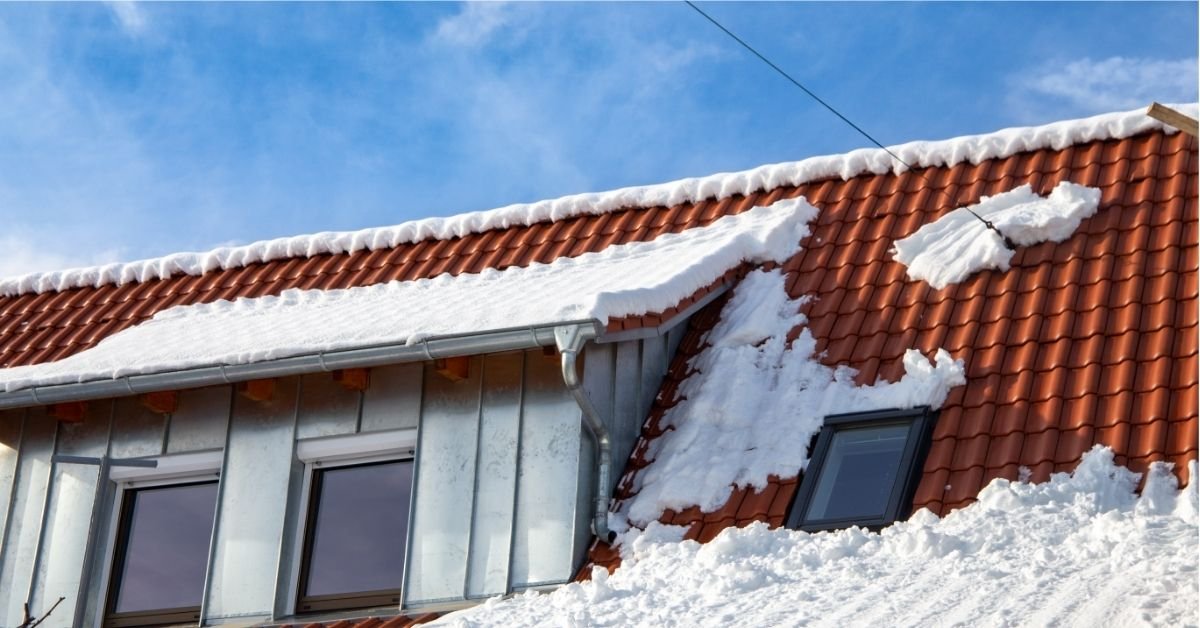
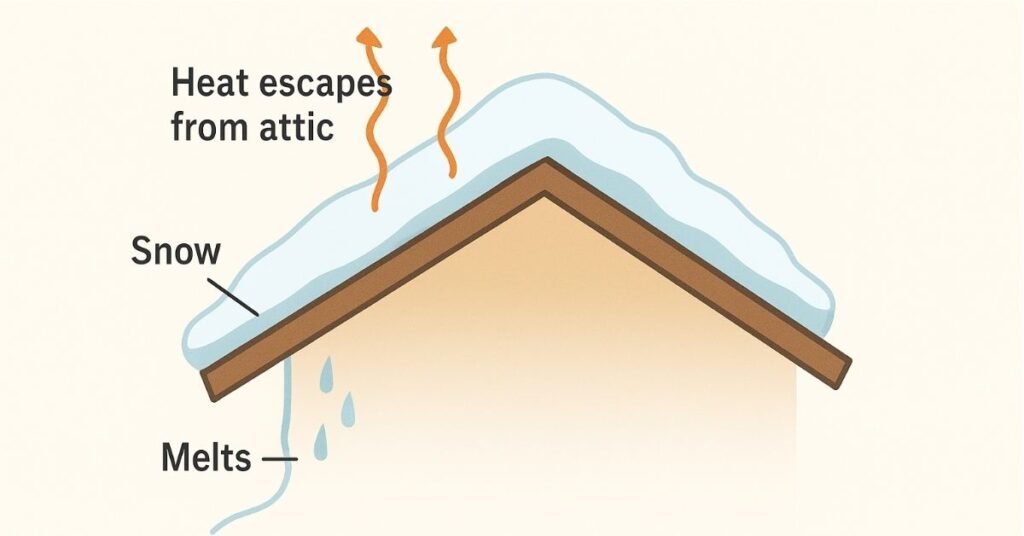
Roofs are designed to withstand snow, but trouble begins when warm air from inside your home rises into the attic and heats the upper section of the roof. This causes snow to melt and run toward the edges, where temperatures are much colder. Melted snow refreezes, forming a thick ridge of ice known as an ice dam.
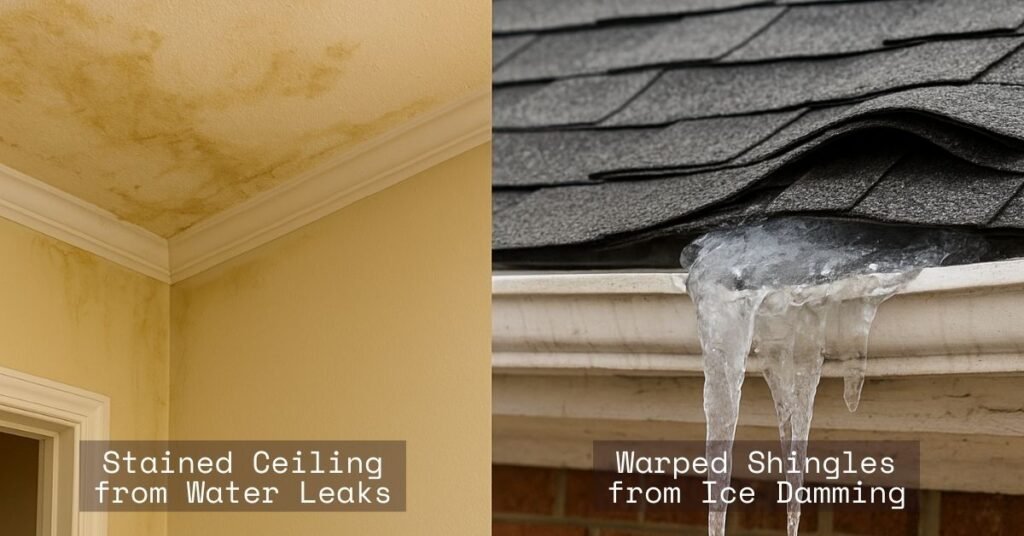
The ice itself isn’t the problem. It’s the water trapped behind it that finds its way under shingles, into the eaves, and eventually inside your home. During a deep freeze, Snellville homeowners often notice leaks, stained ceilings, peeling paint, or soggy insulation, all common signs of ice dam damage.
As with many roofing issues, the early symptoms are subtle. In the same way homeowners often miss material performance differences until problems arise, something we explained in our roofing materials comparison guide, ice dams are usually unnoticed until they’ve caused expensive damage.
While the ice itself isn’t harmful, the trapped water behind it is. As water backs up, it can:
- Seep under shingles
- Penetrate eaves
- Cause leaks
- Damage interior ceilings, insulation, and walls
Cities like Louisville experience similar issues, but Snellville homeowners are often caught off guard because ice damming isn’t always an annual event, making prevention even more critical.
How Do Ice Dams Form?
Ice dams form when warm indoor air escapes into the attic, causing uneven roof temperatures. Snow melts at the top of the roof but refreezes at the colder edges, repeating the cycle every time new snow falls or temperatures fluctuate.
Here’s a simple breakdown of the life cycle of an ice dam:
Stage 1: Formation (Birth)
Heat rises from the living areas of your home and warms the attic due to insufficient insulation or ventilation. This warmth affects the topmost section of the roof, while the roof’s edges remain cold.
Stage 2: Growth
As snow melts, water flows downward until it reaches the cold eaves, gutters, or overhang. Here, the water refreezes and begins building a layer of ice.
Stage 3: Maturity
With ongoing melting and freezing-common in Snellville and places like Louisville throughout winter-the ice dam grows larger. Eventually, it traps significant amounts of water behind it. This water has nowhere to go except under shingles or into your home.
When this happens, you may notice peeling paint, stained ceilings, warped floors, soggy insulation, or even mold growth.
Ice Damming in Gutters
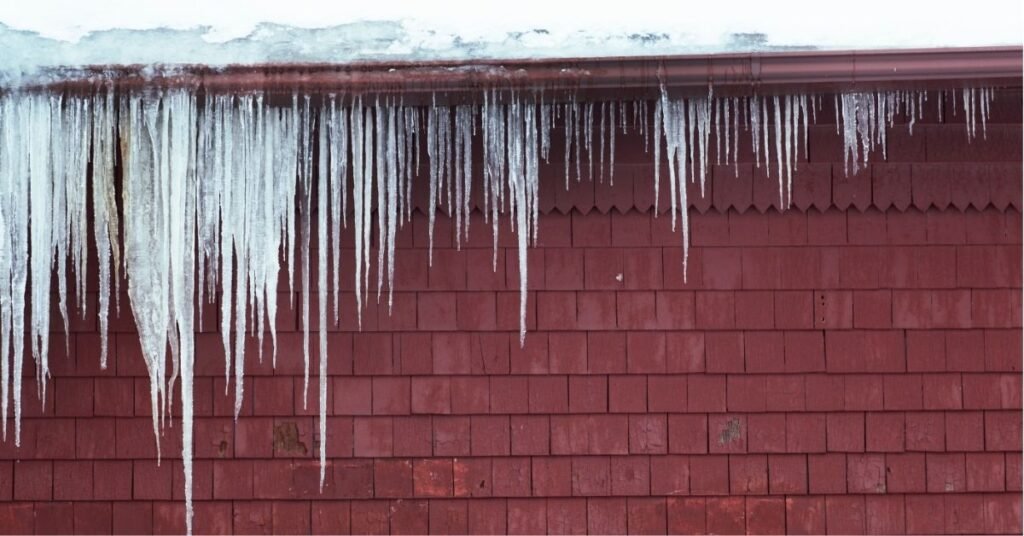
Gutters are one of the easiest places for an ice dam to form-especially if they’re clogged. Leaves, acorns, pine needles, and debris left over from fall storms create a perfect environment for refreezing water.
When an ice dam forms inside the gutter:
- It becomes cumbersome
- It can pull the gutter away from the roofline.
- Water backs up under the roofing.
- The fascia and soffits can rot.
- Your foundation can be affected.
Gutter-related ice dams are extremely common in Snellville. Prevention often starts with proper maintenance, something that becomes even more important if you have roofing materials more prone to moisture issues, such as wood or asphalt.
What Causes Ice Dams to Form?
While cold Snellville temperatures play a role, two primary issues cause ice damming:
1. Nonuniform Roof Temperatures
Your roof should ideally stay at a consistent temperature, but heat escaping from the attic creates warm and cold zones. The warm sections melt snow, which then refreezes in colder areas.
Solar heat can also warm isolated sections, but inconsistent attic temperatures are the leading cause of ice damming.
2. Inadequate Attic Ventilation
Your attic should be as close to the outside temperature as possible. When the attic is significantly warmer, snow melts rapidly, leading to ice buildup at the roof’s edge.
Improving attic ventilation includes:
- Increasing insulation
- Installing roof vents
- Sealing bypasses behind outlets and switches
- Ensuring ducts and vent lines are insulated
Homes in Snellville and even in colder regions like Louisville benefit greatly from proper attic airflow to prevent dangerous freeze-thaw cycles.
The Hidden Damage Ice Dams Can Cause
Ice dams can cause widespread damage beyond your roofing system.
Here’s what can happen if ice damming goes unchecked:
Inside Your Home
- Stained ceilings
- Sagging drywall
- Warped or buckling floors
- Mold and mildew inside the insulation
- Damaged electrical systems
Outside Your Home
- Torn shingles
- Pulled gutters
- Broken fascia and soffits
- Damaged landscaping, cars, windowsills, or anything below if a large ice dam falls
Repairing water and structural damage caused by ice dams can cost far more than removing the ice dam itself. Insurance companies nationwide-including those serving Louisville-spend millions each year covering winter roof damage. Snellville homeowners can avoid these costs by taking preventive measures and having a professional inspection.
Getting Rid of Ice Dams: Prevention and Removal
The goal is simple: Keep the entire roof at a consistent temperature.
But the solutions require proper planning and expertise.
Here’s how to prevent ice dams on your Snellville home:
Step 1: Increase Ventilation
Ridge vents paired with continuous soffit vents help circulate cold air across the entire roof surface.
Step 2: Seal the Attic Hatch
Unsealed hatches or whole-house fans leak heat into the attic. Use weather-stripped covers during winter.
Step 3: Check Exhaust Vents
Ensure kitchen, bathroom, and dryer exhausts go directly outdoors-not into the soffits.
Step 4: Add Attic Insulation
If ice buildup persists, additional insulation helps keep heat inside the living space where it belongs.
Step 5: Upgrade Lighting
Old recessed lights emit heat into the attic. Replace them with sealed IC-rated fixtures.
Step 6: Add Flashing
Install flashing between the chimney and the roof framing to prevent warm air leakage.
Step 7: Seal and Insulate Ducts
Use mastic to seal HVAC ducts and cover them with foil-faced fiberglass insulation.
But What if You Already Have an Ice Dam?
DIY fixes exist, but they often cause more damage, especially when homeowners unknowingly chip, break, or pry at ice with tools that scrape shingles.
The safest approach is to have a Snellville roofing professional steam-remove the ice dam. Steam melting eliminates ice without harming shingles or the roof deck.
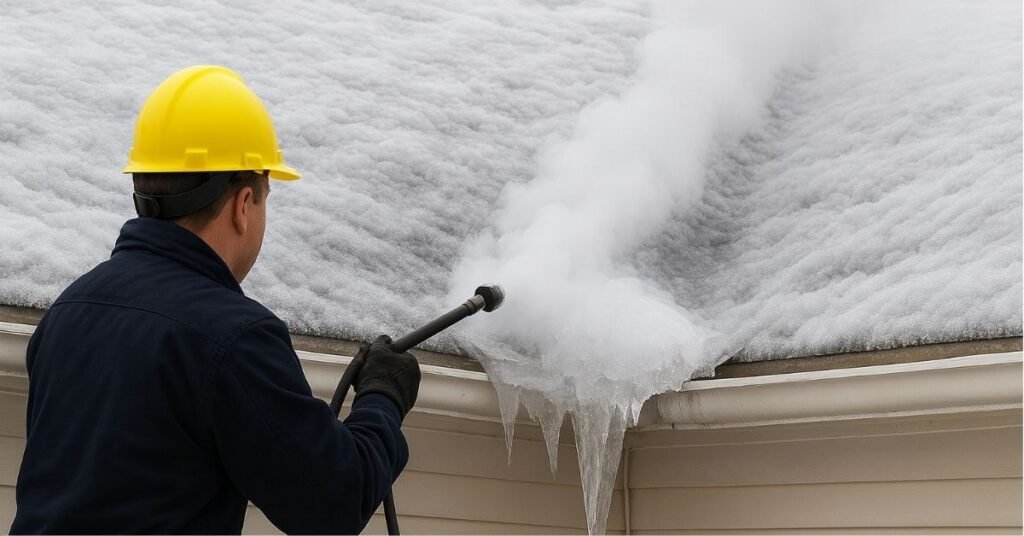
Once the dam is removed, you can take steps to prevent future buildup, often involving the same ventilation and insulation improvements outlined above, or upgrading roofing materials as described in our roofing materials comparison guide.
Prepare Your Snellville Home for Winter with Legends Restoration Group
Winter is approaching; don’t wait until ice dams form to take action. Protect your Snellville home with a professional roofing inspection from Legends Restoration Group. We’ll evaluate your insulation, ventilation, roofing materials, gutters, and overall roof condition to ensure you’re fully protected before the first snowfall.
A proactive inspection today can save you from major repairs tomorrow.
Schedule your free winter-ready roof inspection with Legends Restoration Group today!