
When building a new home or renovating an existing one, choosing the right roof design can be far more overwhelming than expected. Roofs are more than just weather protection—they define your home’s personality, influence energy efficiency, and determine long-term durability. With so many types of roof styles available, each with unique advantages and limitations, selecting the right one can feel challenging. In this guide, we break down the most popular roof styles, how they function, what homes they look best on, and the pros and cons of each. Whether you love modern, traditional, or architectural complexity, you’ll find a design that perfectly matches your home. Read more to know more about 17 types of roof styles.
17 Most Common Styles of Roofing
Below are the most widely used and aesthetically popular roof designs in residential architecture today.
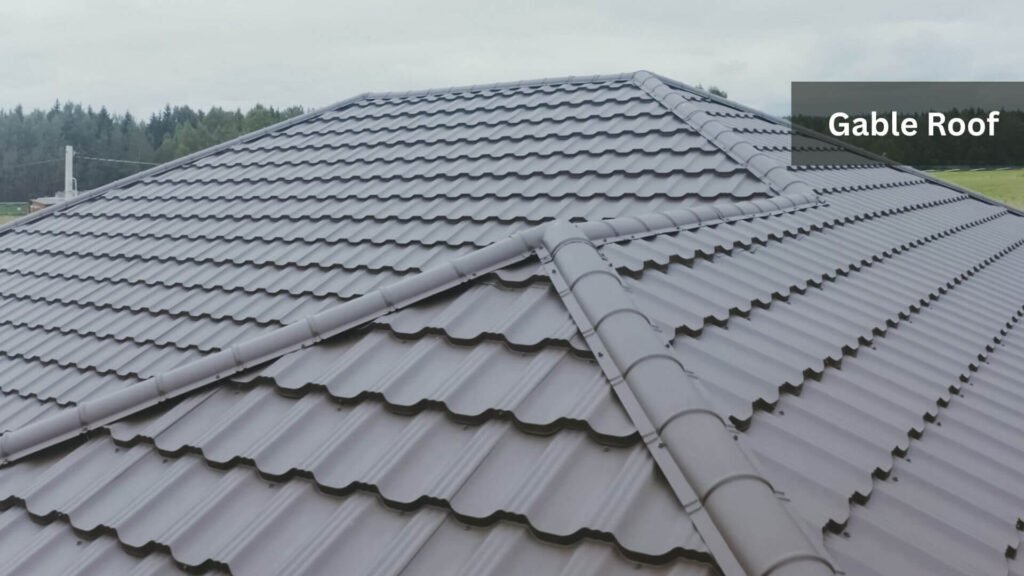
1. Gable Roof
A gable roof features two sloping sides that meet at a ridge, creating the classic triangular shape.
- Advantages: Excellent drainage, affordable, simple construction
- Disadvantages: Vulnerable to strong winds
- Best for: Cape Cod, Colonial, modern suburban homes
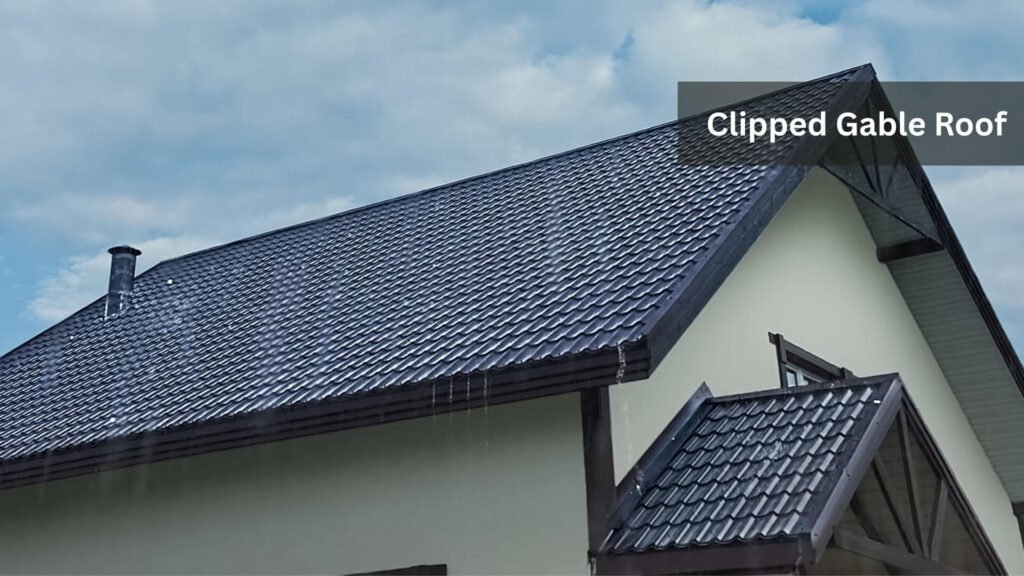
2. Clipped Gable Roof
Also called a jerkinhead roof, this design trims off the peak of a standard gable.
- Advantages: Better wind resistance, stylish appearance
- Disadvantages: Slightly higher cost
- Best for: Craftsman, cottage-style homes
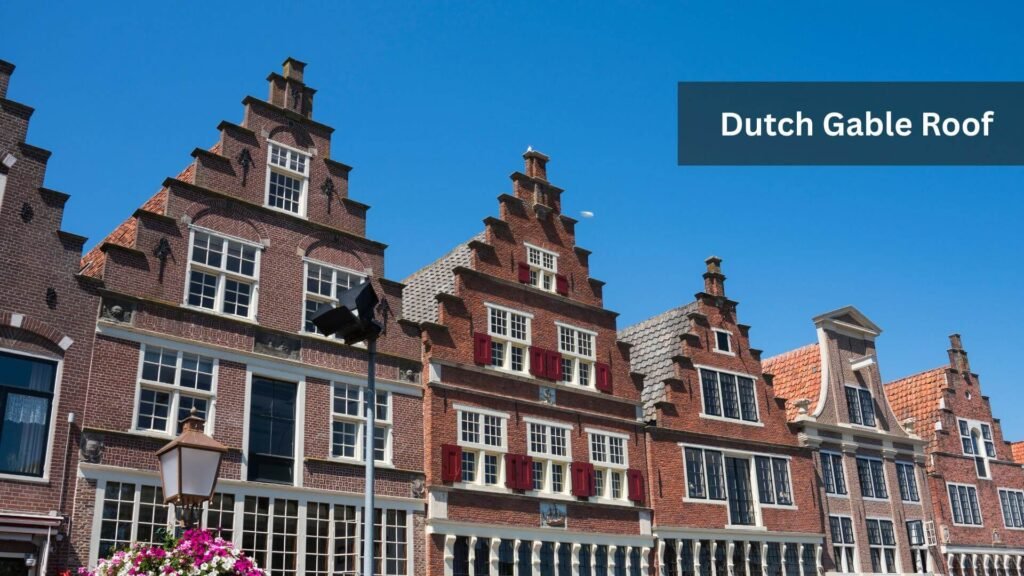
3. Dutch Gable Roof
A hybrid style combining a hip roof with a gable at the top.
- Advantages: More attic space, architectural character
- Disadvantages: More complex and costly to build
- Best for: Farmhouse, Victorian, European-style homes
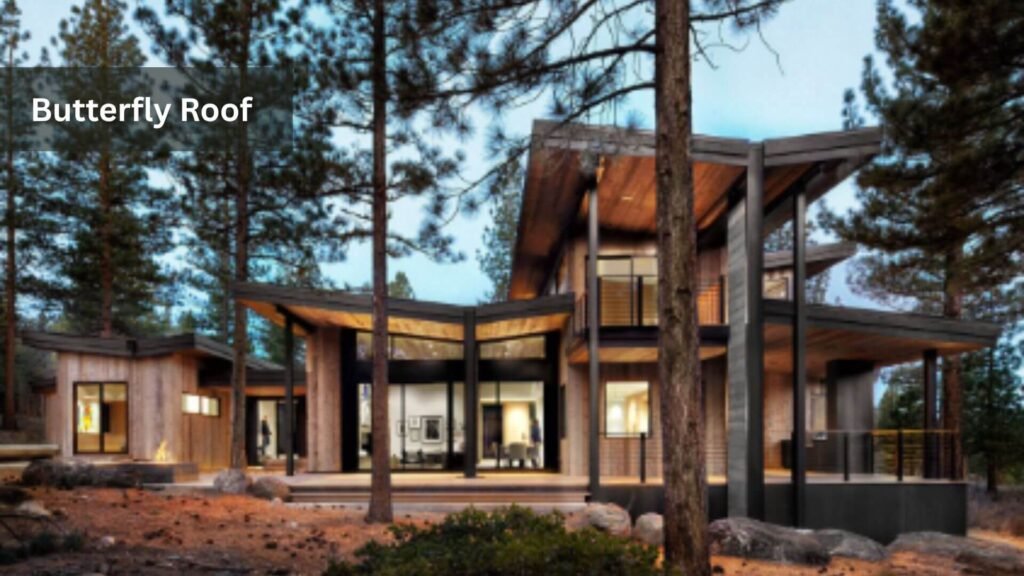
4. Butterfly Roof
This roof resembles the wings of a butterfly with two inward slopes.
- Advantages: Modern look, great for solar panels and rainwater collection
- Disadvantages: Expensive and prone to drainage issues
- Best for: Contemporary, eco-friendly homes
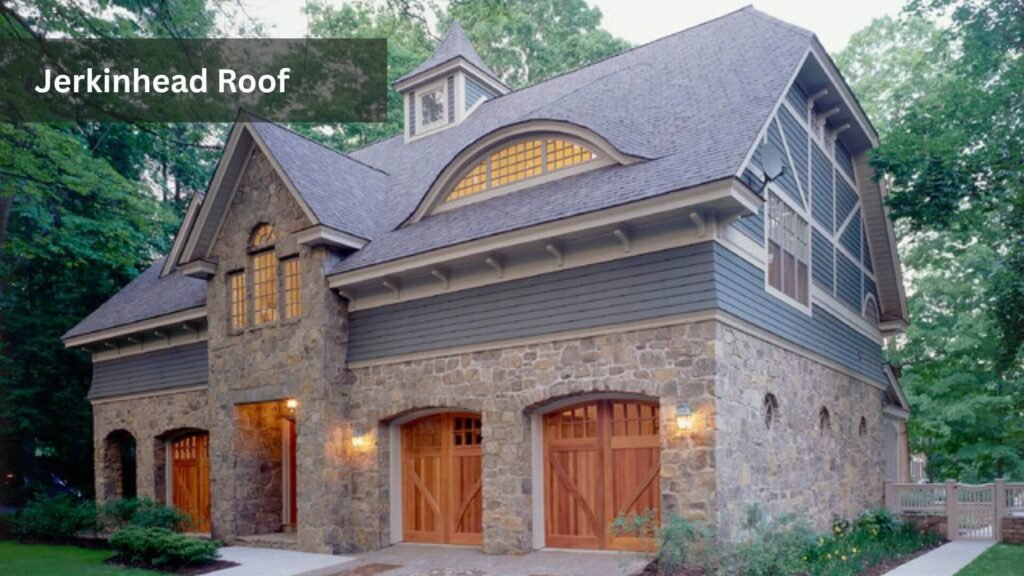
5. Jerkinhead Roof
Similar to clipped gable roofs, but with steeper slopes at the ends.
- Advantages: Excellent wind resistance
- Disadvantages: More complex framing
- Best for: Bungalows, cottages
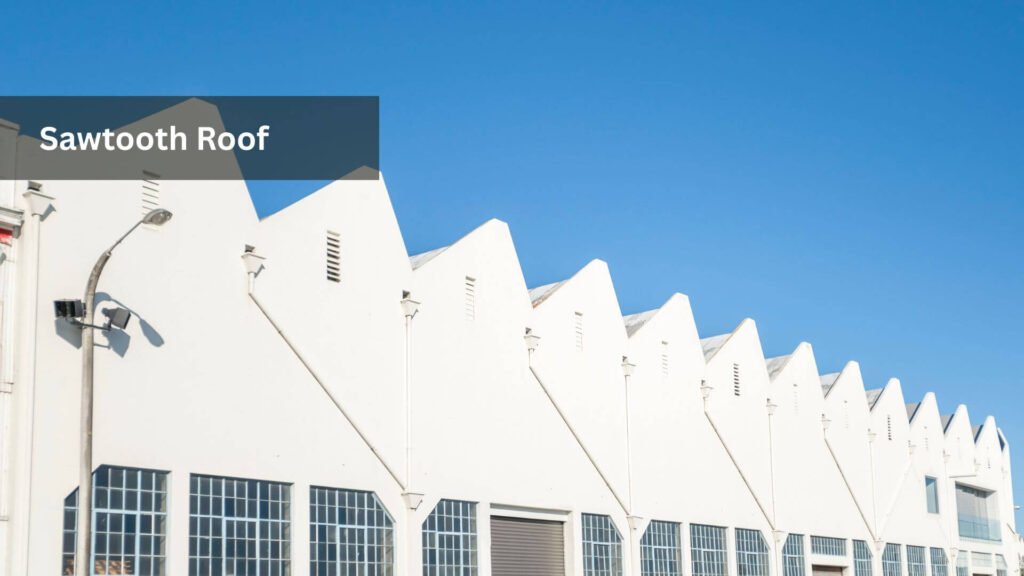
6. Sawtooth Roof
Features alternating sloped and vertical surfaces resembling a saw blade.
- Advantages: Great natural lighting, energy efficient
- Disadvantages: Expensive and requires expertise
- Best for: Modern-industrial homes, studios
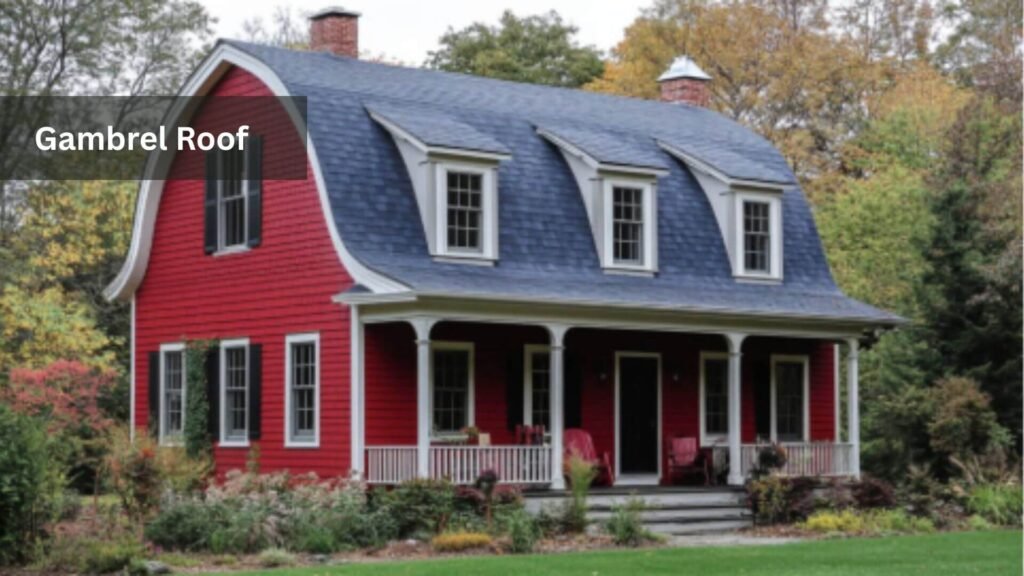
7. Gambrel Roof
The classic barn-style roof has two slopes on each side.
- Advantages: Maximum attic space, attractive design
- Disadvantages: Poor in heavy snow areas
- Best for: Farmhouses, barn conversions
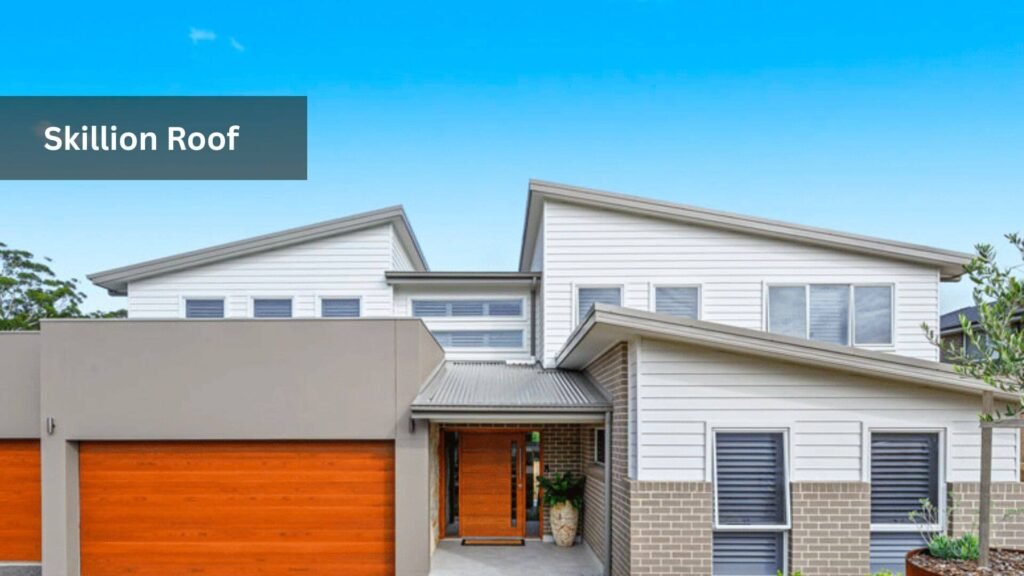
8. Skillion Roof
A single sloped surface, also known as a lean-to roof.
- Advantages: Easy to build, perfect for modern homes
- Disadvantages: Limited attic space
- Best for: Contemporary, minimalist architecture
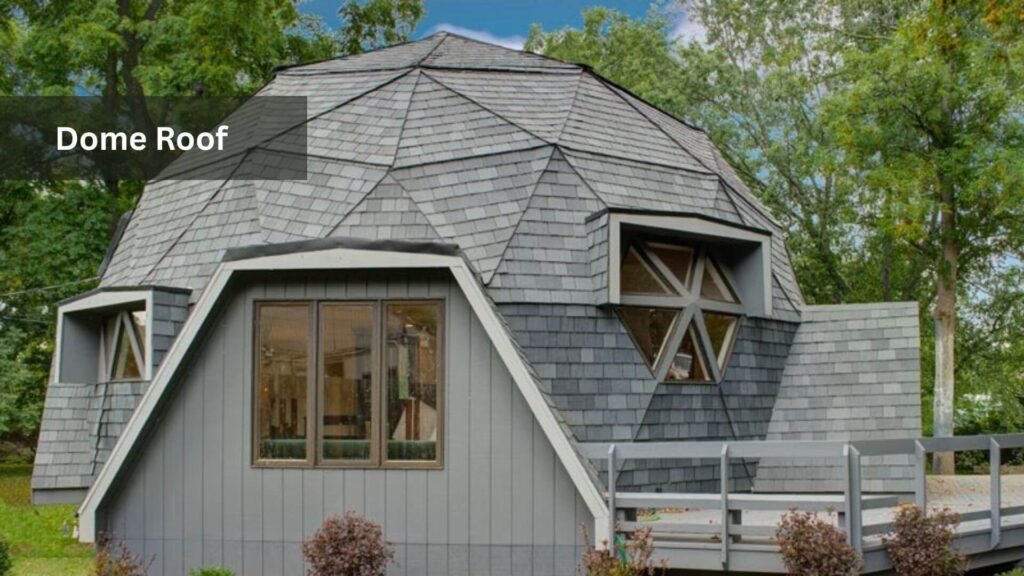
9. Dome Roof
A rounded, domelike structure.
- Advantages: Highly wind-resistant, unique appearance
- Disadvantages: Expensive and requires skilled labour
- Best for: Luxury homes, custom architecture
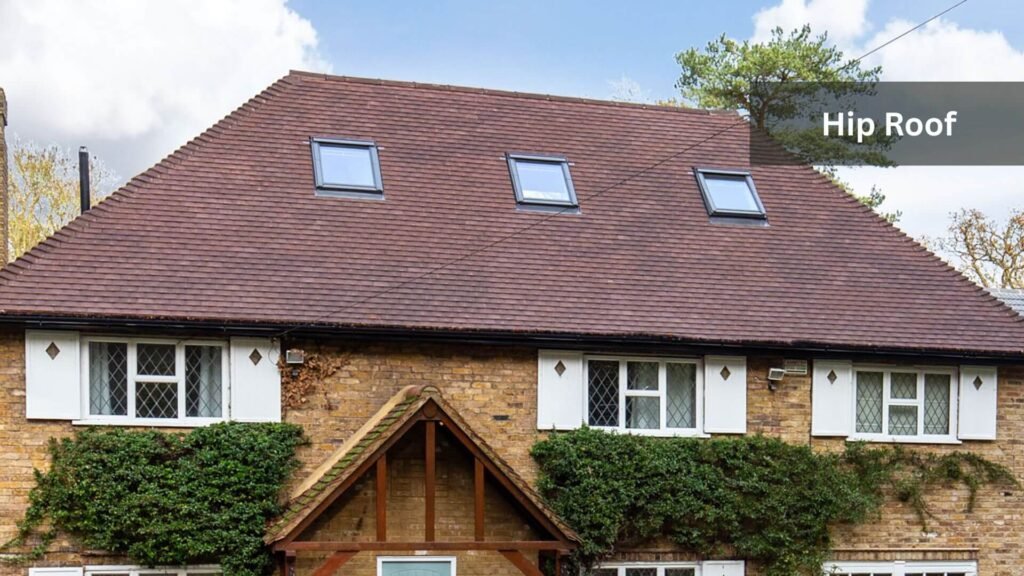
10. Hip Roof
A roof with four sloping sides that meet at the top.
- Advantages: Most stable roof style, great in high-wind areas
- Disadvantages: Costlier than gable roofs
- Best for: Ranch homes, Mediterranean, modern suburban
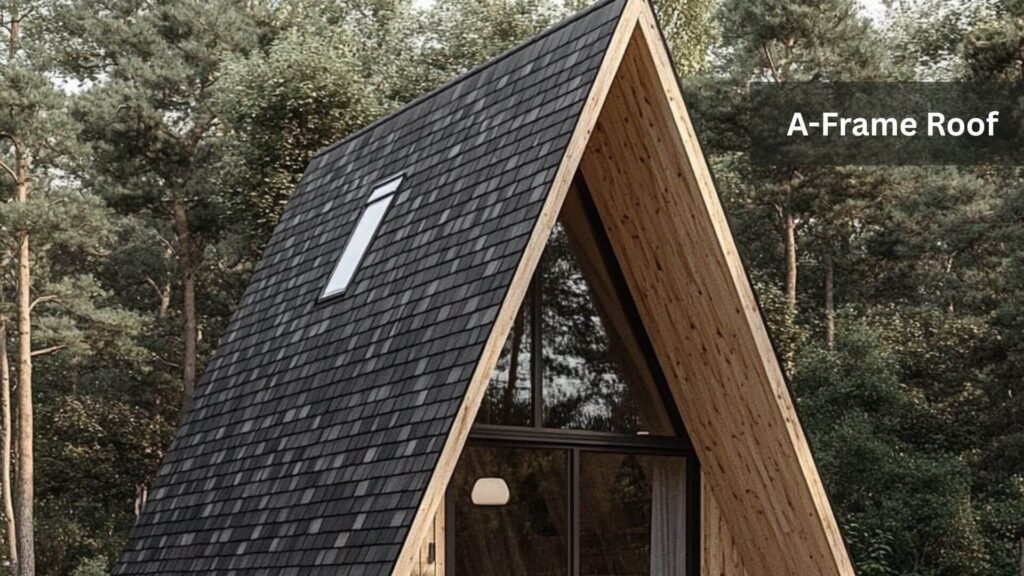
11. A-Frame Roof
A steep triangular roof that serves as both roof and wall.
- Advantages: Great for snowy regions, distinctive look
- Disadvantages: Limited wall space inside
- Best for: Cabins, vacation homes
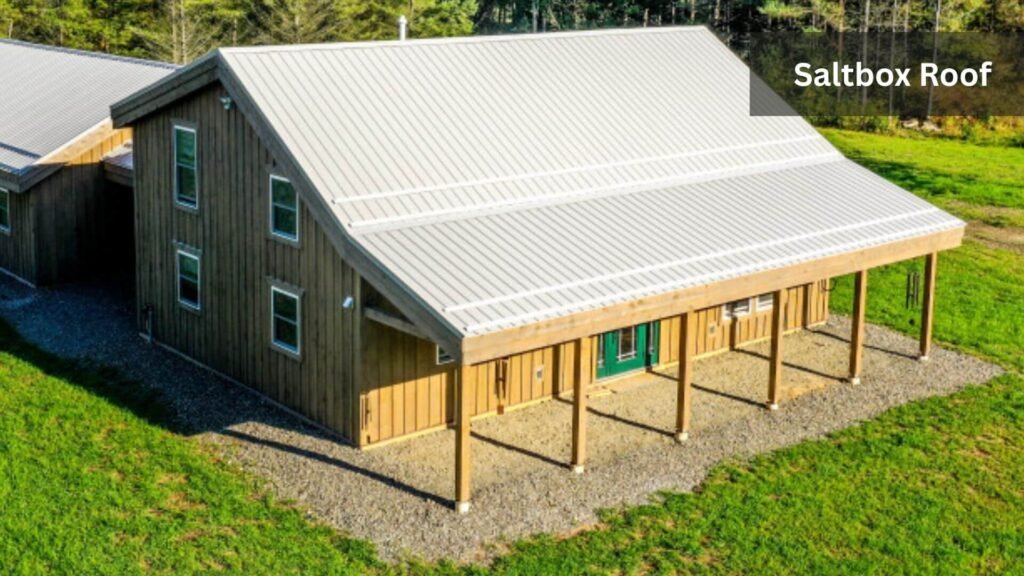
12. Saltbox Roof
An asymmetrical roof with one long and one short slope.
Advantages: Excellent drainage, historic charm
Disadvantages: Higher construction cost
Best for: Traditional, Colonial-style homes
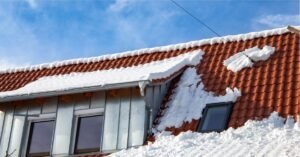
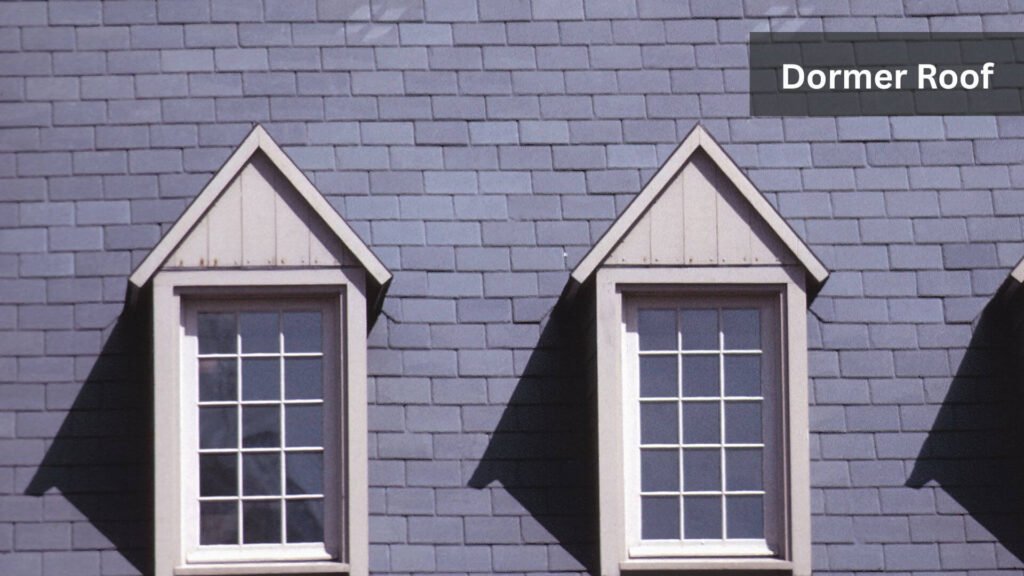
13. Dormer Roof
A roof extension projecting vertically for additional interior space.
Advantages: Increases natural light and attic usability
Disadvantages: Risk of leaks if poorly installed
Best for: Bungalows, Cape Cod, Colonial homes
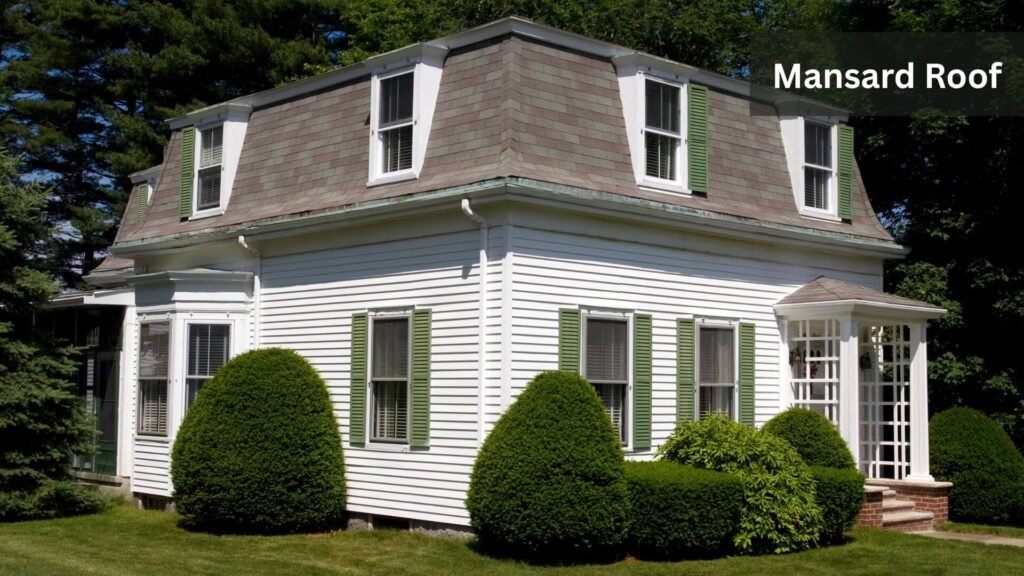
14. Mansard Roof
A French-inspired roof with four double-sloped sides.
Advantages: Maximises upper-level space, elegant
Disadvantages: Not ideal for heavy snow
Best for: French, European architecture
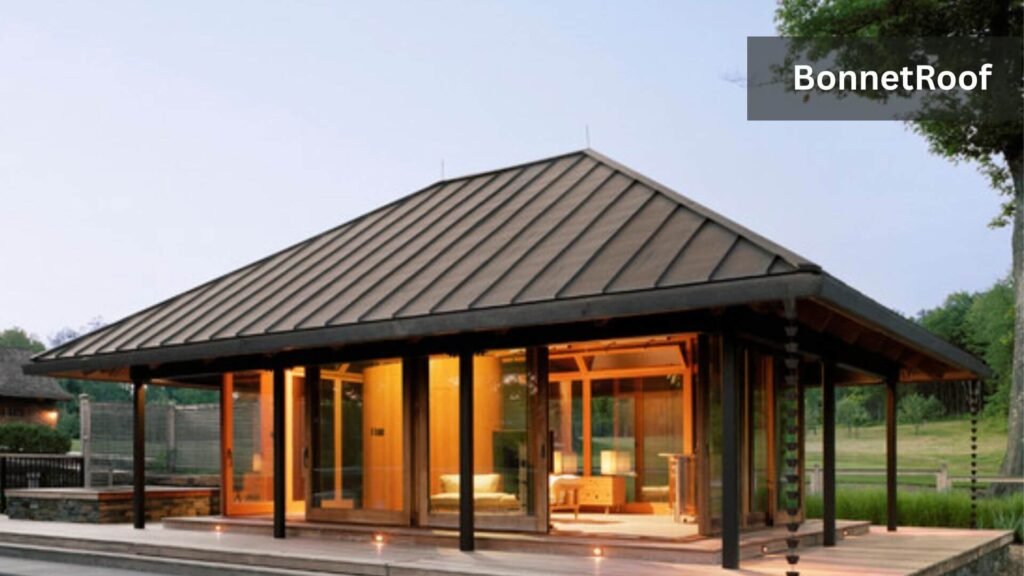
15. Bonnet Roof
Similar to a hip roof but with extending slopes at the base.
Advantages: Great porch coverage, stylish
Disadvantages: Increased complexity and cost
Best for: Southern-style, cottage homes
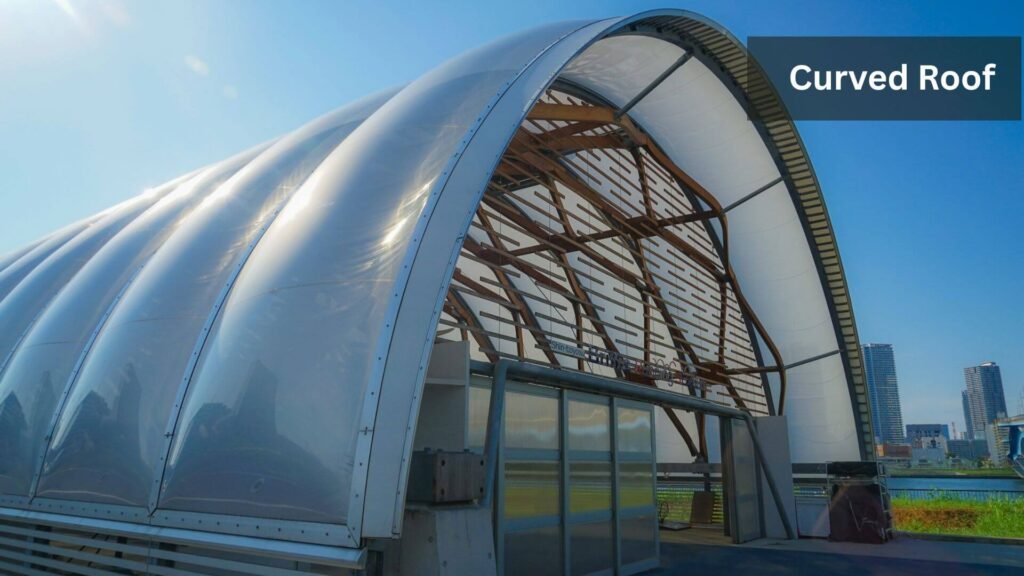
16. Curved Roof
A modern roof with gentle or dramatic curvature.
Advantages: Unique aesthetic, excellent for modern homes
Disadvantages: Expensive and requires skilled engineering
Best for: Contemporary, artistic architecture
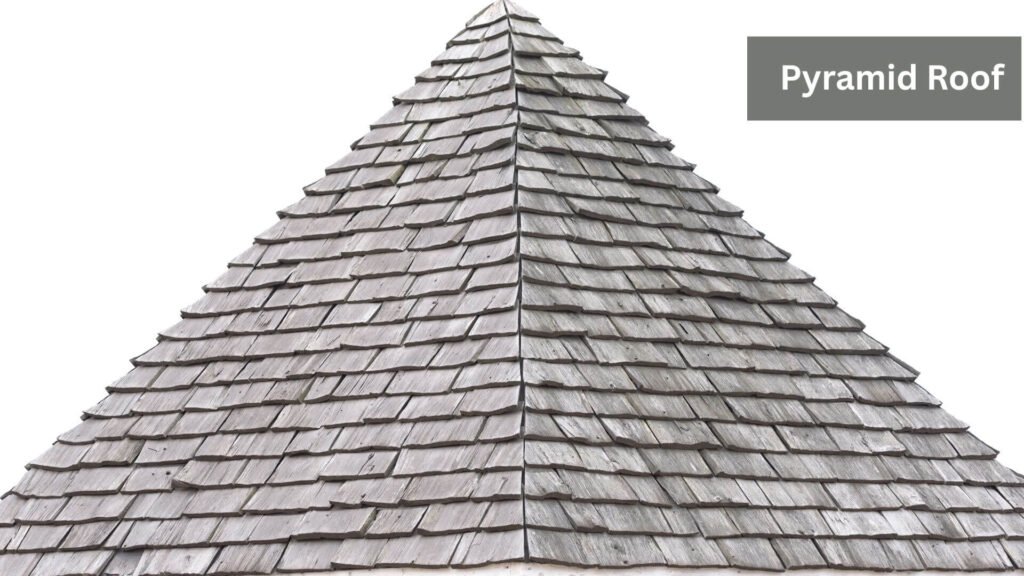
17. Pyramid Roof
A hip roof where all sides meet at a single point.
Advantages: Stable, wind-resistant
Disadvantages: No attic space
Best for: Smaller homes, gazebos, sheds
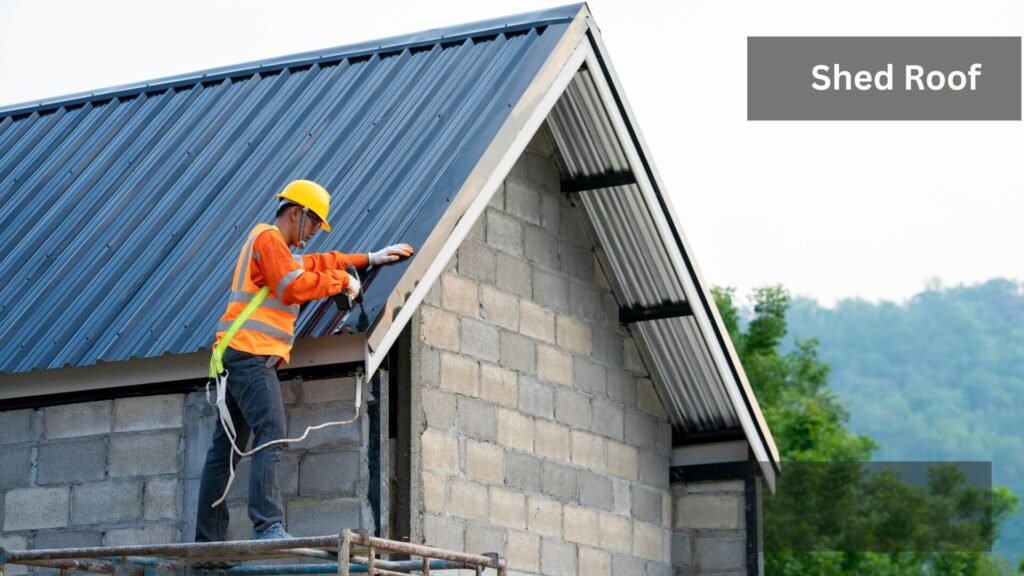
18. Shed Roof
A simple single-slope roof (skillion’s cousin).
Advantages: Minimalist, economical, easy drainage
Disadvantages: Limited ceiling height variation
Best for: Cabins, tiny homes, modern houses
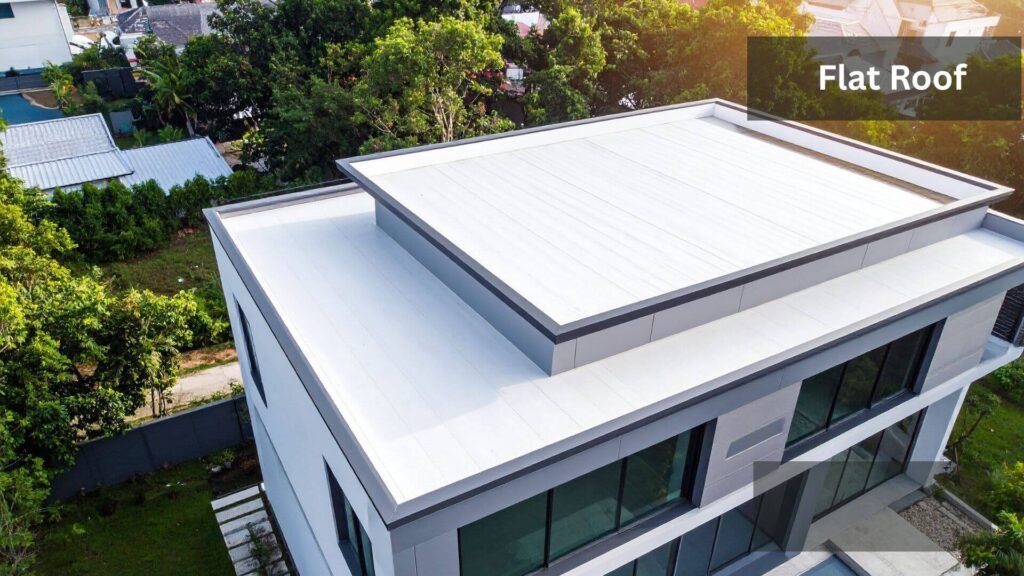
19. Flat Roof
Although technically not perfectly flat, it has a very low slope.
Advantages: Ideal for rooftop patios, solar panels
Disadvantages: Requires excellent waterproofing
Best for: Commercial buildings, modern homes
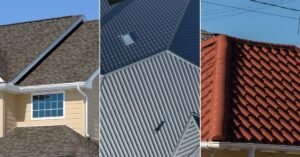
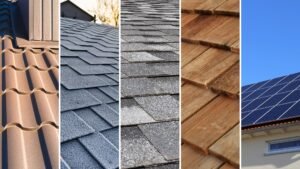
Asphalt Shingles
The most common and cost-effective roofing option.
- Benefits: Affordable, easy to install, versatile
- Best for: All residential roof styles
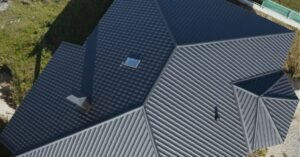
Metal Roofing
Durable and energy efficient, with long lifespans.
- Benefits: Heat-reflective, weather-resistant
- Best for: Modern, farmhouses, and storm-prone areas
Tile Roofing
Clay or concrete is usually known for its longevity and beauty.
- Benefits: Fire-resistant, long-lasting
- Best for: Mediterranean, Spanish, and luxury homes
Wood Shingles
Made from cedar or redwood for natural character.
- Benefits: Rustic appearance, eco-friendly
- Best for: Cottage, traditional, and historic homes